Masters of Light: Five Artists Who Made Darkness Speak
From Vermeer's quiet interiors to Van Gogh's blazing gardens, discover how five masters transformed light into the language of emotion.
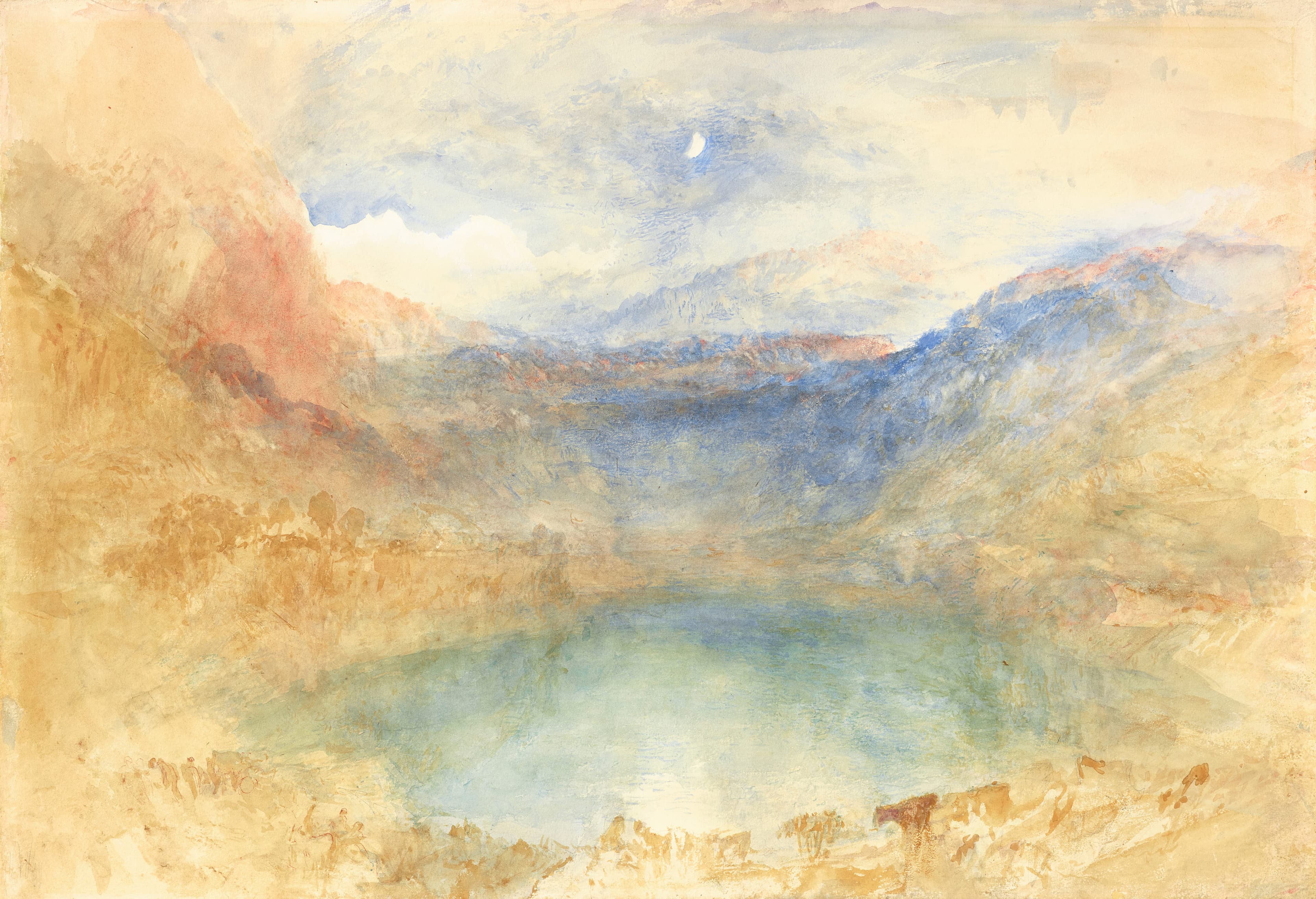
Masters of Light
- 1.Masters of Light: Five Artists Who Made Darkness Speak
- 2.Vermeer's Secret: Light, Silence, and the Everyday
- 3.Rembrandt: The Master of Light and Shadow
- 4.Claude Monet and the Language of Light
- 5.San Giorgio Maggiore at Dusk: Monet's Venice in Dissolving Light
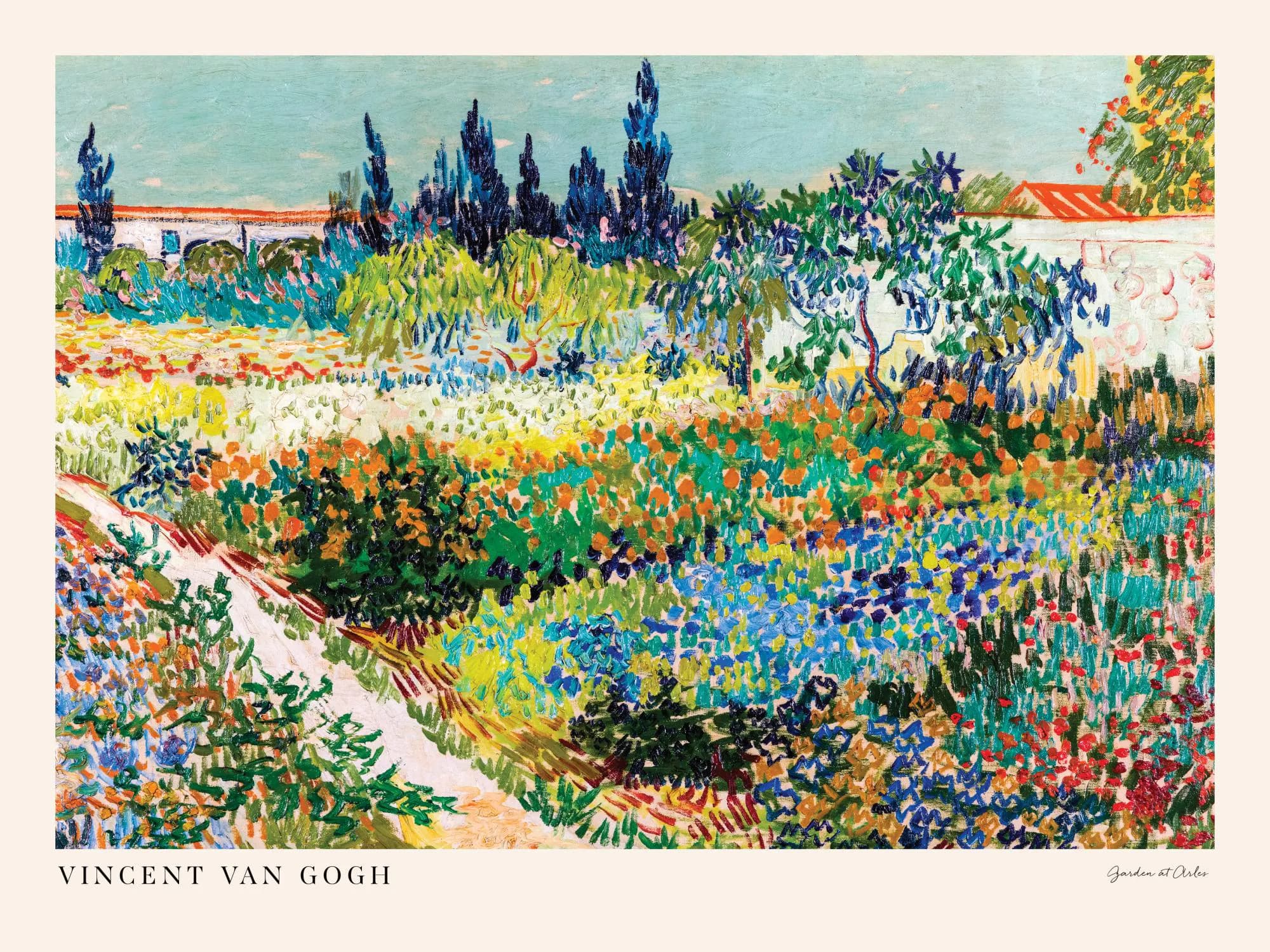
- 6.Van Gogh's Garden at Arles: Color, Joy, and the South of France
There is a moment in every great painting when light stops being light.
It becomes longing. Grief. Ecstasy. The warm amber pooling on a woman's collar in a Dutch interior. The silver dissolution of a Venetian church at dusk. The furious yellow of a garden refusing to be ordinary.
This is what separates a painter from a master: the ability to look at light and see something more.
Why Light?
Every painter works with light — it is technically unavoidable. But the artists in this series did something different. They didn't just render light. They thought with it. Light became their primary subject, their emotional vocabulary, the axis around which everything else rotated.
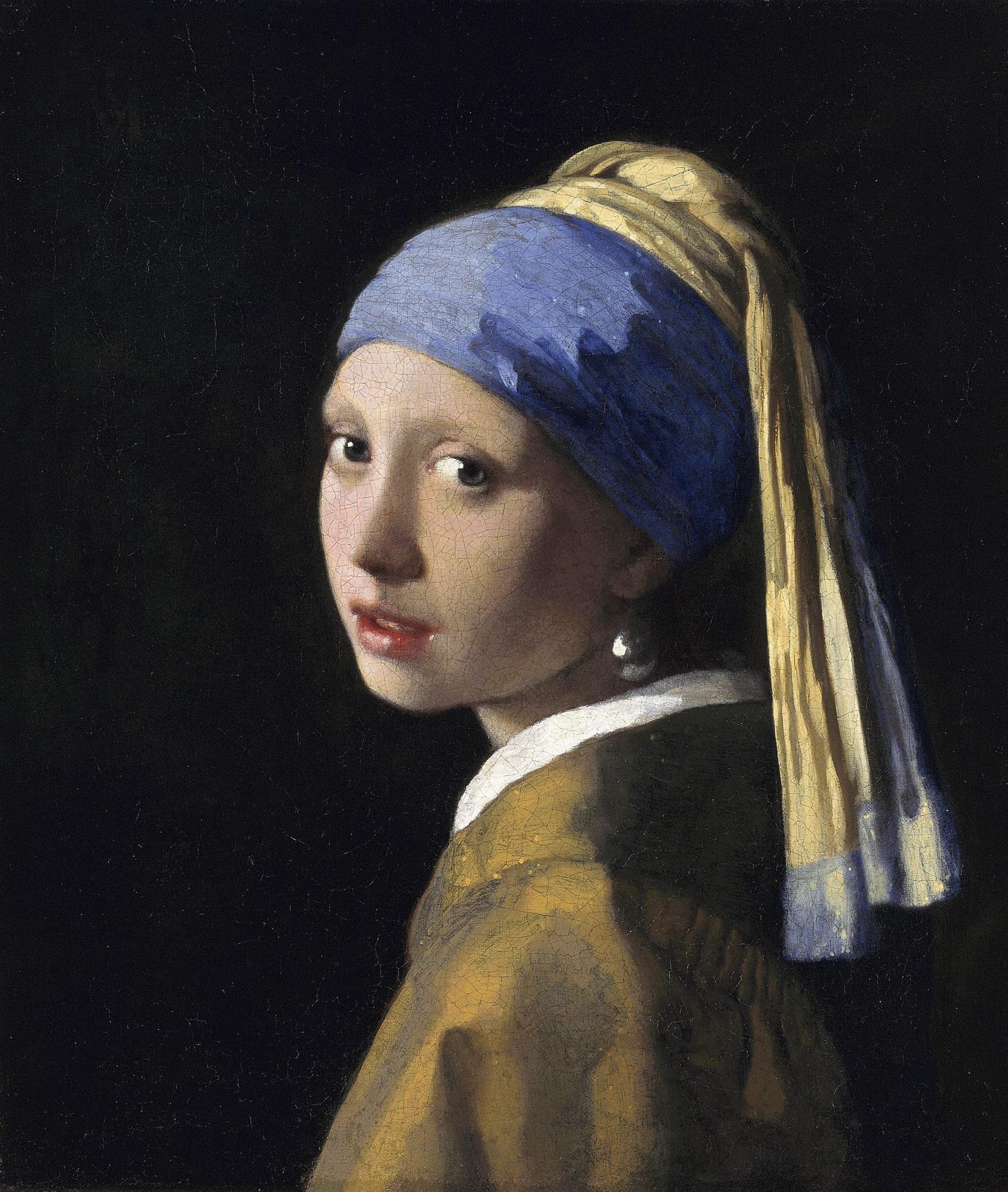
Vermeer used it to dignify the invisible lives of ordinary people.
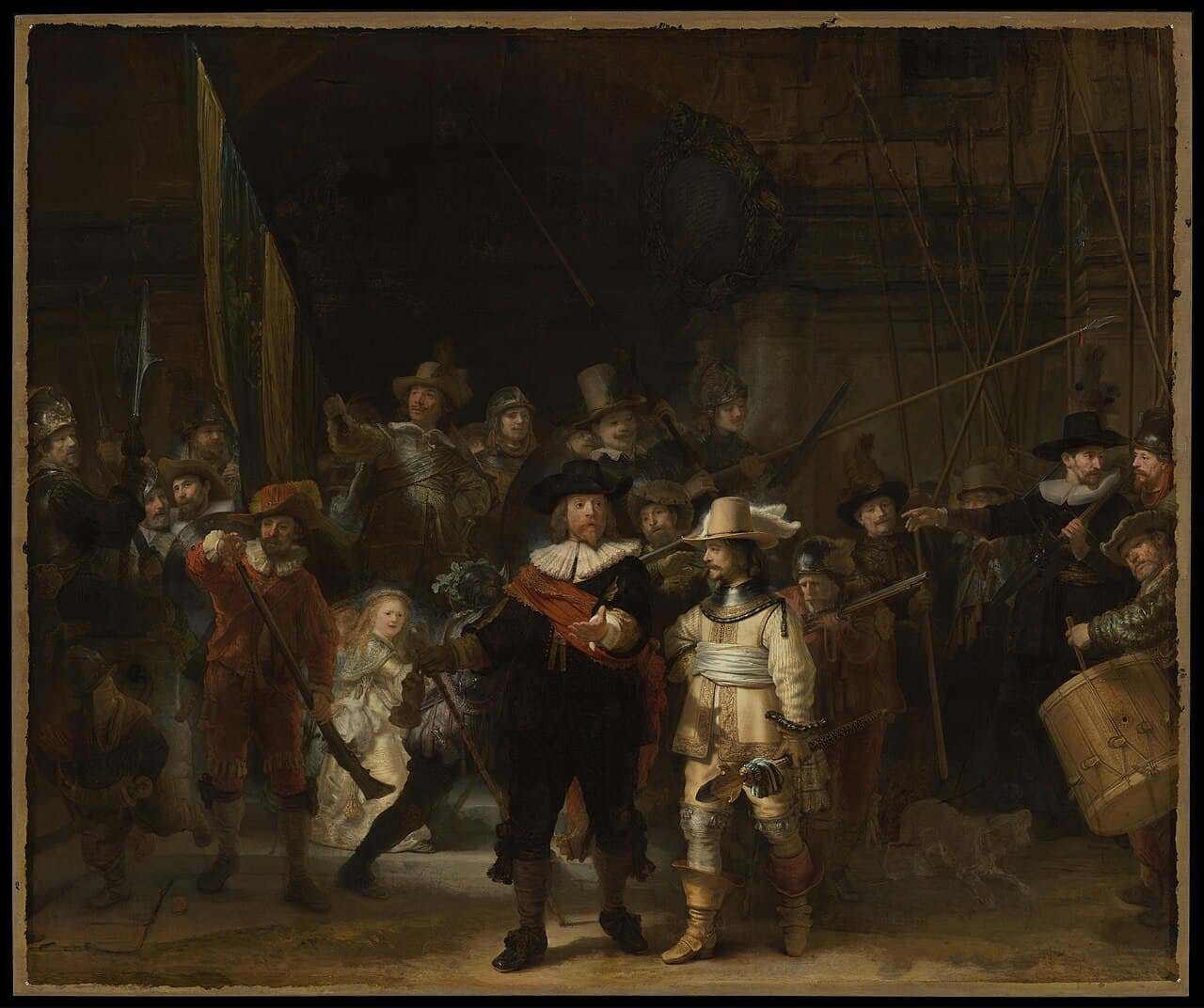
Rembrandt used it to stage the theater of the human soul.
Monet used it to argue that reality is not a fixed thing, but a shimmering, ever-changing impression.
Van Gogh used it until it drove him to madness — and to some of the most alive paintings ever made.
What This Series Is
Masters of Light is a five-part journey through Western painting's greatest obsession. Each post focuses on one artist and one central question: What did they see when they looked at light?
We'll move chronologically — from the candlelit silence of seventeenth-century Delft to the sun-scorched fields of Provence — watching how the question evolved, deepened, and eventually exploded into something entirely new.
These are not dry art history lessons. Each artist in this series lived a life as vivid and troubled as the paintings they left behind. The light they chased tells us as much about them as it does about the physics of illumination.
The Five Masters
Johannes Vermeer painted thirty-four known works and vanished from history for two centuries. Every one of his paintings contains the same window, the same north-facing light, the same quietly electrifying silence.
Rembrandt van Rijn turned shadow into a psychological tool so powerful that we still use his name as a lighting technique in photography today. His self-portraits alone constitute one of the most honest records of human aging ever committed to canvas.
Claude Monet painted the same haystack twenty-five times. The same cathedral thirty times. The same water lilies for the last twenty years of his life — going half blind in the process. He was not painting things. He was painting moments.
Vincent van Gogh wrote to his brother Theo: "I am not an adventurer by choice but by fate." His relationship with light was never peaceful. It was desperate, consuming, and occasionally transcendent.
The fifth artist changes depending on who you ask. We've chosen Monet's Venice — a late series, painted at sixty-seven, where impressionism finally dissolves the world entirely into color and reflection. A perfect ending.
Where to Begin
Start anywhere. Each post stands alone.
But if you want the full arc — the slow burn from Dutch candlelight to French dissolution — begin with Vermeer, and let the centuries carry you.
The light is waiting.