Claude Monet and the Language of Light
Monet spent a lifetime chasing light — on haystacks, cathedral façades, and the still surface of his beloved water garden at Giverny.
Masters of Light
- 1.Masters of Light: Five Artists Who Made Darkness Speak
- 2.Vermeer's Secret: Light, Silence, and the Everyday
- 3.Rembrandt: The Master of Light and Shadow
- 4.Claude Monet and the Language of Light
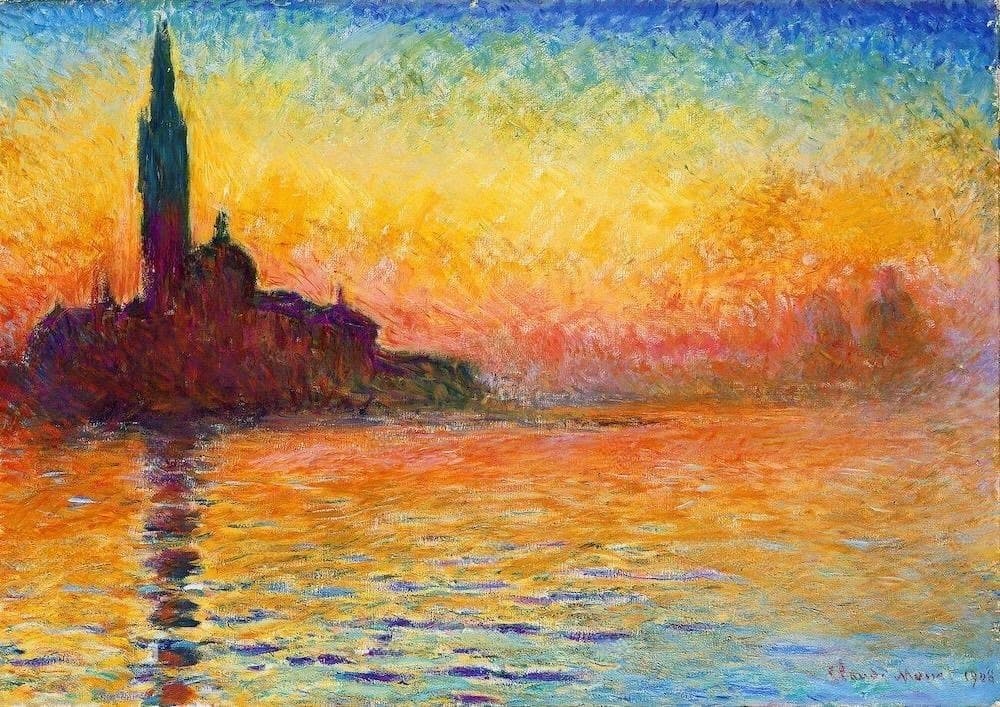
- 5.San Giorgio Maggiore at Dusk: Monet's Venice in Dissolving Light
- 6.Van Gogh's Garden at Arles: Color, Joy, and the South of France
In the summer of 1896, Claude Monet dragged his easel to the edge of the Seine at dawn, at midday, and again at dusk. He was painting the same haystack — not for lack of subjects, but because he understood that light, not objects, was the true subject of painting.
The Birth of Impressionism
When Monet exhibited Impression, Sunrise at the 1874 Paris salon, a critic used the title mockingly to coin the term "Impressionism." Monet and his circle adopted the label with pride. Their shared mission: to capture the sensory experience of a moment rather than its physical facts.
Monet worked en plein air — outdoors, in natural light — pushing paint onto the canvas with urgency. The loose, broken brushwork that critics initially mocked eventually changed the entire trajectory of Western art.
Giverny and the Water Lilies
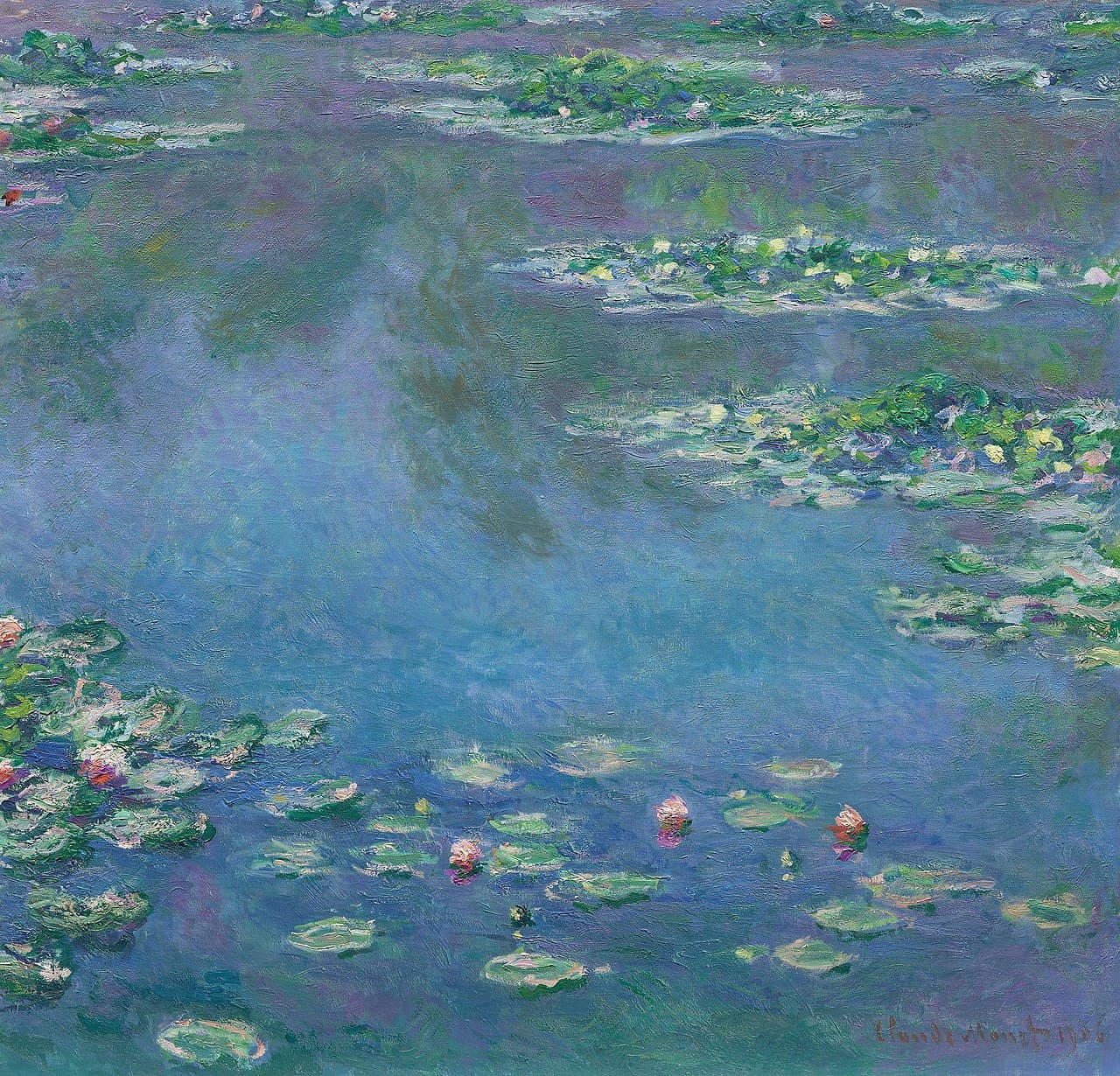
In 1883, Monet moved to Giverny in Normandy and spent the next forty years transforming its grounds into the garden he would paint. He designed the Japanese footbridge, the weeping willows, and the lily pond not as a retreat but as a studio — an outdoor canvas he could rearrange at will.
The Water Lilies series, comprising roughly 250 paintings, culminated in the monumental panels now housed in the Orangerie museum in Paris. Painted almost entirely after cataracts had blurred his vision, these late works are shimmering, nearly abstract fields of color that feel decades ahead of their time.
Seeing Differently
Monet once said he wished he had been born blind so that he could suddenly gain sight and begin to paint without knowing what the objects before him were. He wanted to see pure sensation — light and color before the mind named them. That ambition gives his work a freshness that has never aged.