Vincent van Gogh: The Restless Brushstroke
Swirling skies, luminous wheat fields, and sleepless nights — Van Gogh's art is raw emotion pressed directly onto canvas.
Vincent van Gogh produced over 2,100 artworks in just a decade, yet sold only one painting during his lifetime. Today, his canvases hang in the world's great museums and command hundreds of millions at auction. His is one of art history's most poignant stories: a man who painted furiously to hold himself together.
The Post-Impressionist Revolution
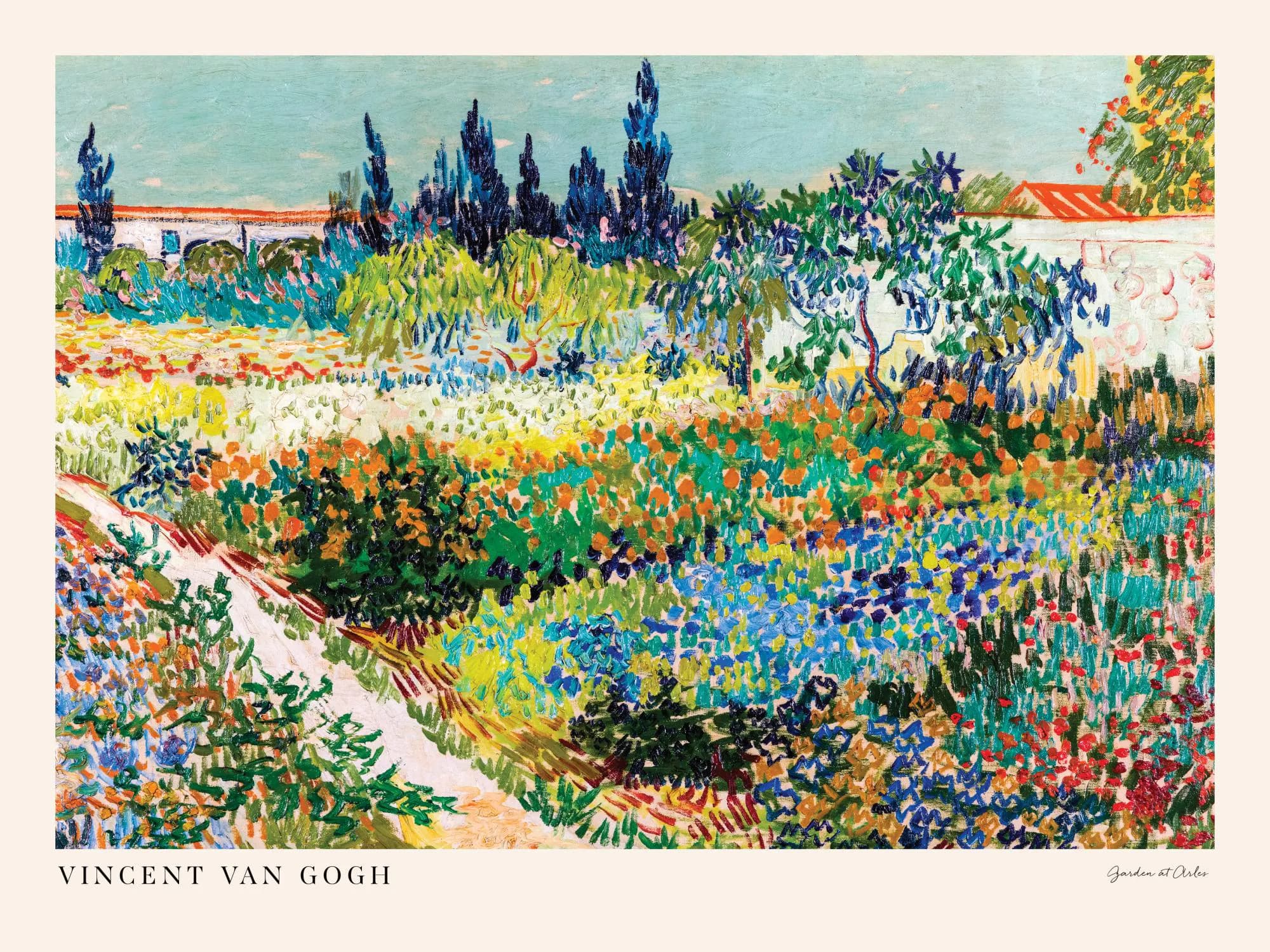
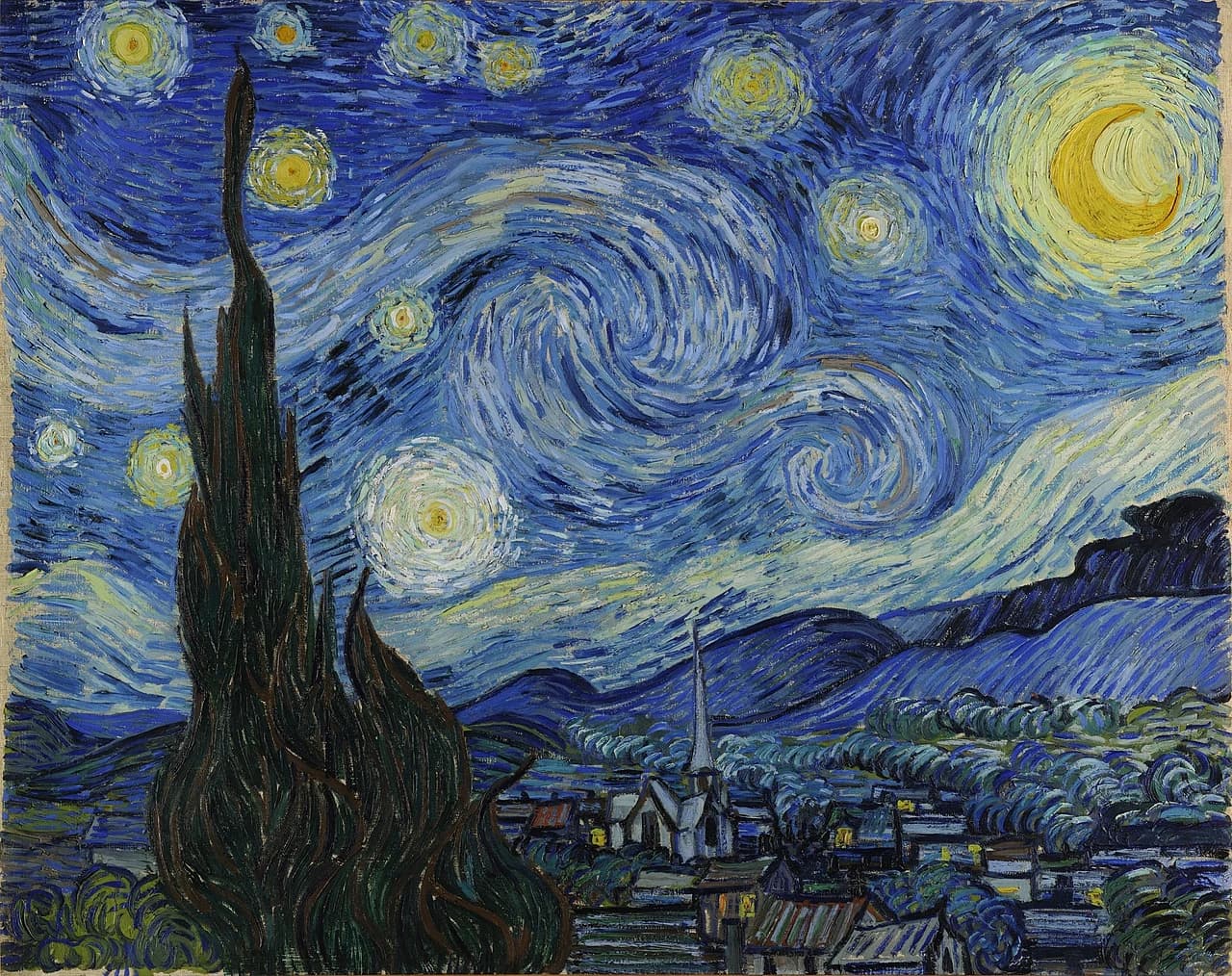
Where the Impressionists sought to capture fleeting light, Van Gogh went further — he wanted to express the emotional truth beneath what the eye sees. His thick, directional brushstrokes pulse with energy. Look at The Starry Night (1889) and you feel the night sky breathing, the stars vibrating with a life of their own.
His palette was deliberately expressive rather than naturalistic. Yellows blaze beyond what sunlight actually looks like; blues go deeper than any sky. These choices were not accidents — they were the grammar of a private language.
Letters to Theo
Van Gogh wrote over 800 letters to his brother Theo, filling them with thoughts on painting, literature, and life. These letters are extraordinary documents: a running commentary on what it feels like to be an artist consumed by vision. "I dream of painting," he wrote, "and then I paint my dream."
He described color as capable of suggesting something of the terrible passions of humanity. Every canvas was a battle, every finished work both victory and exhaustion.
Legacy
Van Gogh's influence on Expressionism, Fauvism, and nearly every emotionally charged art movement since is incalculable. He demonstrated that technique serves feeling — not the other way around. A century and a half later, his restless brushstroke still refuses to be still.