Salvador Dalí's Dreamscapes: Surrealism Unleashed
Dalí brought the illogic of dreams into hyper-realistic focus — images so precise and so impossible the mind struggles to dismiss them.
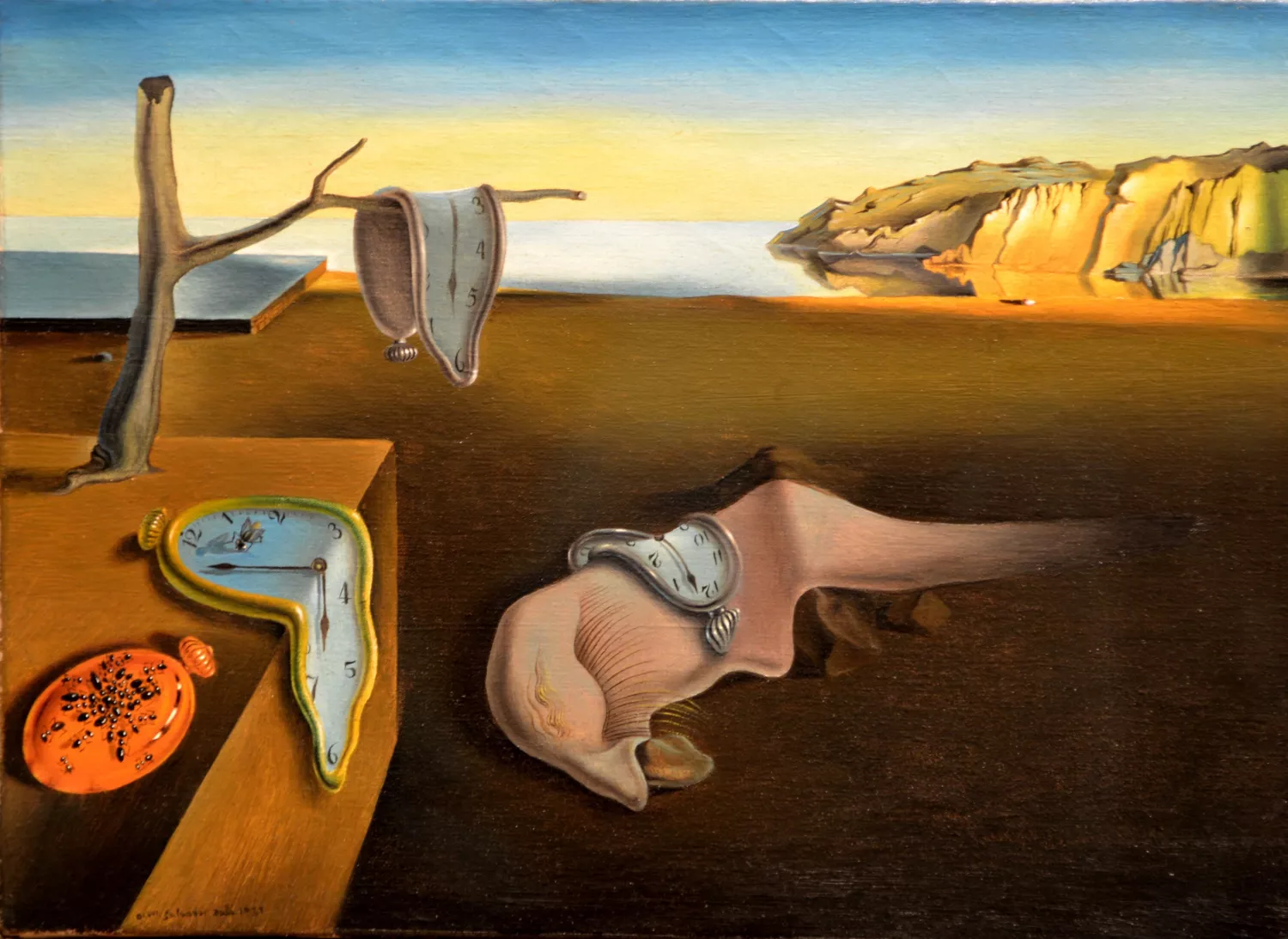
Salvador Dalí once described his method as "hand-painted dream photographs." The description is exact. His canvases have the crisp, almost clinical detail of academic realism — and the content of fever dreams. Melting watches draped over a barren landscape. Elephants with impossibly elongated legs. A telephone with a lobster for a receiver. The images are absurd, but they are rendered with a precision that forces the eye to take them seriously.
The Paranoiac-Critical Method
Dalí developed what he called the paranoiac-critical method: a way of accessing irrational imagery by deliberately inducing a kind of controlled delirium. He would sit in a chair holding a heavy key over a metal plate, allowing himself to doze until the moment of sleep — when the key would drop, the noise would wake him, and he would capture whatever images hovered at the threshold of consciousness.
This was not automatic writing in the Surrealist sense — Dalí was not passive. He selected, refined, and composed. The paranoiac-critical method was a tool for generating material; his extraordinary technical skill was what turned it into art.
The Persistence of Memory
The Persistence of Memory (1931) is roughly the size of a hardcover book — 24 by 33 centimeters. Its monumental status in the art world is entirely disproportionate to its physical dimensions. The soft watches are now one of the most recognized images in the world. Dalí said he conceived the central image while staring at a melting piece of Camembert cheese.
The painting's subject is time — its elasticity, its subjectivity, the way it warps in dreams. But its power comes from the precise rendering: every detail is sharp and convincing, which makes the central impossibility all the more unsettling.
The Showman
Dalí cultivated his own persona as aggressively as any artwork: the upturned mustache, the calculated provocations, the public performances. Some critics felt the showmanship undermined the seriousness of the work. But the persona was itself a kind of surrealist project — an image constructed to destabilize expectations, to make the ordinary strange. In that sense, Dalí never stopped working.