Leonardo da Vinci: Where Art and Science Converge
Da Vinci filled thousands of notebook pages with anatomical drawings and flying machines — all in service of understanding how to paint.
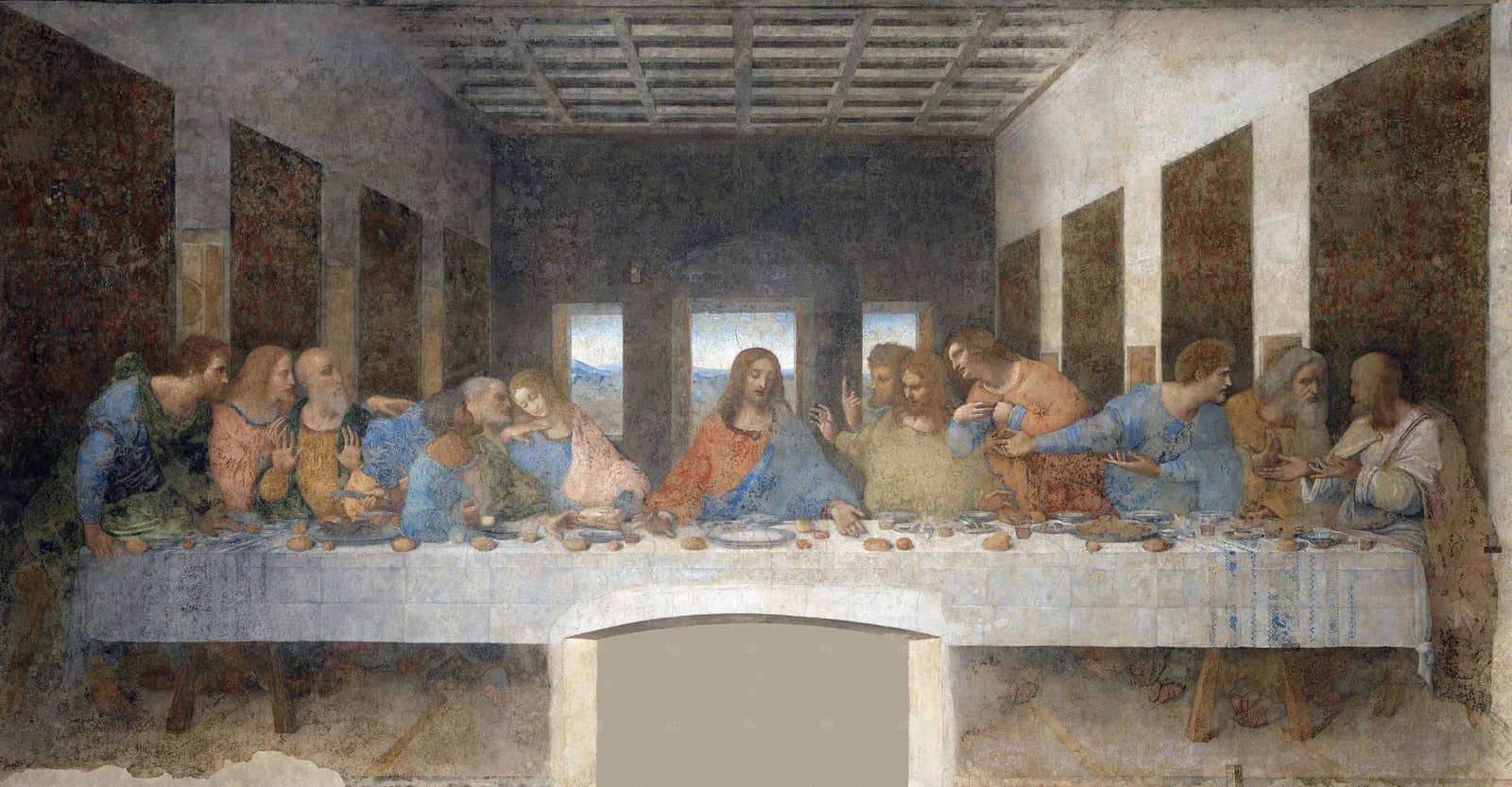
Leonardo da Vinci left fewer than twenty paintings. He left over 7,000 pages of notebooks. That disproportion tells you something essential about him: he was not chiefly a painter but a man who used painting as one instrument in a lifelong investigation of the natural world.
The Notebooks
Leonardo's notebooks are extraordinary in their range. On a single page you might find a diagram of the human heart alongside a sketch of a canal lock, a note on the flight mechanics of birds, and a study for a painting. He wrote in mirror script — right to left — possibly out of habit as a left-hander, possibly for privacy. The notebooks were never organized for publication; they are windows into a restless, omnivorous intelligence.
His anatomical drawings, made from dissections he performed himself, surpassed anything available in print at the time. The muscles of the hand, the structure of the eye, the chambers of the heart — all rendered with a precision that would not be rivaled for generations.
Sfumato and the Mona Lisa
Painting technique absorbed Leonardo as deeply as anatomy. He invented or perfected sfumato — from the Italian for "smoke" — a method of blending tones so gradually that outlines dissolve into atmosphere. It is why the Mona Lisa's smile is so elusive: the corners of the mouth are rendered in shadow that the eye reads differently depending on where it focuses.
He also mastered chiaroscuro, the dramatic modulation of light and dark that gives his figures a three-dimensional presence no previous painter had achieved quite so convincingly.
The Unfinished
Many of Leonardo's greatest projects were never completed. He had a tendency to abandon works once the intellectual problems they posed had been solved — finishing felt almost beside the point. The Adoration of the Magi, the Battle of Anghiari, countless designs for machines: all incomplete. Perhaps the notebooks were his real masterpiece — not a record of finished thoughts, but of thinking itself.